
Deck Machinery & Cargo Handling Systems

Deck Machinery Lubricants Must Withstand Heavy Loads, Saltwater, and Constant Washdown While Keeping Hydraulic Fluid and Grease Out of the Water
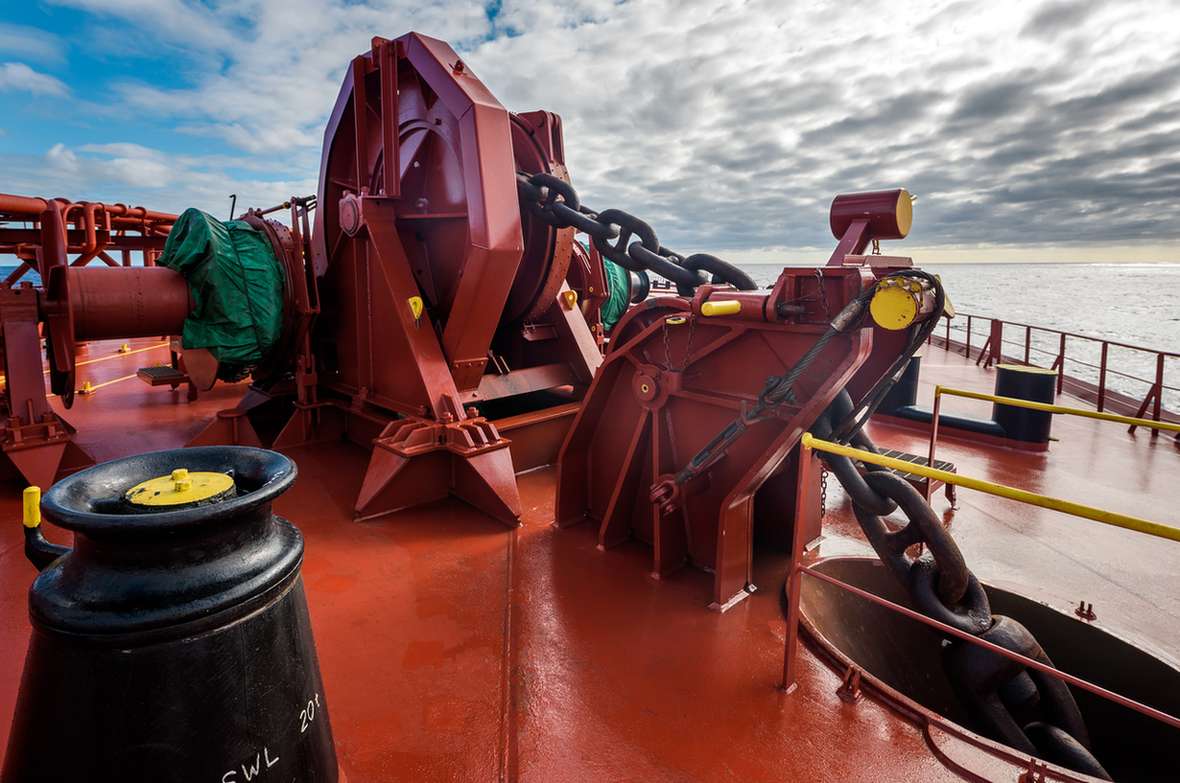
Lubricant requirements vary considerably based on equipment type, system pressure, duty cycle, and how exposed the machinery is to weather and sea. Deck cranes, mooring and anchor winches, windlasses, capstans, towing winches, A-frames, and self-unloading conveyors each demand specific lubricant properties. Because deck equipment operates in the open, every hydraulic hose, open gear, wire rope, and grease point is a potential path for lubricant to reach the water, and U.S. EPA VGP/VIDA requirements call for environmentally acceptable lubricants (EALs) in these above-water oil-to-sea interfaces. Selecting the correct ISO viscosity grade is crucial. Check OEM specifications to ensure the lubricant’s viscosity meets your equipment’s requirements.
We can help with this by recommending lubrication reliability best practices, including the right hydraulic fluid, gear oil, and grease, for most deck machinery and cargo handling configurations. Our EALs are built on biodegradable hydrocarbon base oil technology that resists water-driven degradation and drops into existing systems without flushing or seal changes. With more than 100 OEM approvals and over 30 years of formulation and application expertise, we help operators keep cargo moving on schedule while reducing the environmental risk that comes with every port call.
Qualities of High-Performance Deck Machinery and Cargo Handling Lubricants
- Ready biodegradability, low aquatic toxicity, and non-bioaccumulative properties that meet EAL criteria at every oil-to-sea interface
- High film strength and anti-wear protection for crane pumps, winch motors, and slew drives operating under heavy and shock loads
- Exceptional water resistance and washout protection for grease on sheaves, slew bearings, and exposed pins under spray and washdown
- Superior rust and corrosion inhibition to protect cylinders, valve bodies, gear sets, and wire rope in a saltwater atmosphere
- Excellent oxidation stability for long fluid life in hydraulic systems that cycle hard in port and sit idle at sea
- High viscosity index for reliable cold-weather starts and consistent response from arctic routes to tropical ports
- Tenacious adhesion for open gears and exposed components, resisting fling-off at operating speed
- Seal and hose compatibility to prevent the external leaks that turn a maintenance issue into a discharge
- Pumpability across NLGI grades for centralized and automatic lubrication systems
Reliability Solutions
After selecting your EALs, the next step is to build a contamination control and inspection routine around the deck. Water and salt are the dominant failure modes for deck machinery, so start with sealed storage, clean transfer equipment, and desiccant breathers on hydraulic reservoirs and gearboxes. Add routine oil analysis for crane and winch hydraulics and enclosed gearboxes to trend water content, particle counts, and viscosity. Set grease volumes and intervals for each point rather than greasing to refusal, since excess grease on exposed hardware ends up in the water. Finally, inspect hydraulic hoses on a fixed schedule. With these practices in place, you can extend component life, reduce unplanned downtime during cargo operations, and keep compliance records audit-ready.
Identify Suffering Points
Move Forward with Our Proven Solutions
Problem
Deck cranes, knuckle-boom cranes, and hydraulic winches run at high pressures with long hose runs exposed to UV, salt, and mechanical abrasion. When a hose bursts or a fitting weeps, hydraulic fluid escapes across the deck and over the side. With a conventional mineral oil, that type of leak can result in a reportable discharge and may lead to port state detention. Even without a failure, these systems cycle hard during cargo operations, generating heat that accelerates oxidation, varnish, and pump wear. Water ingress from condensation and washdown creates emulsions that promote corrosion inside cylinders and valve bodies.
Solution
BioMax™ Hydraulic EAL is Ecolabel certified. It provides readily biodegradable, low-toxicity protection for hydraulics, helping limit the environmental impact when a hose fails. It resists water-driven degradation in systems exposed to condensation and washdown, and it is a drop-in replacement for conventional mineral hydraulic oils with high compatibility across standard seal materials.
Problem
Mooring winches, anchor windlasses, towing winches, and crane slew drives see some of the harshest gear loading on a vessel. Shock loads during mooring, anchoring, and lifting break down the lubricant film between gear teeth, leading to pitting, scuffing, and fatigue failure. Seawater finds its way into gearboxes through worn seals and breathers, and conventional gear oils that emulsify lose film strength exactly when the load is highest. A failed winch or windlass gearbox can sideline a vessel or a cargo operation until parts arrive.
Solution
BioMax™ Gear EAL delivers high film strength and EP protection for enclosed winch, windlass, and slew drive gearboxes, maintaining a protective film through shock loads and wet service. It resists oxidation for extended drain intervals and provides excellent corrosion protection for gear sets and bearings. For open gears and exposed drive components, our EAL specialists can recommend the right lubricant for your equipment and duty cycle.
Problem
Wire ropes, sheaves, crane slew bearings, boom pins, and conveyor bearings are lubricated in the open, where rain, spray, green water, and washdown strip grease away. Once the grease is gone, fretting, corrosion, and wear set in quickly, and wire rope begins losing strength from the inside. Every gram of conventional grease that washes away is a discharge. Crews often compensate by greasing more frequently, which increases both consumption and environmental exposure without solving the underlying problem.
Solution
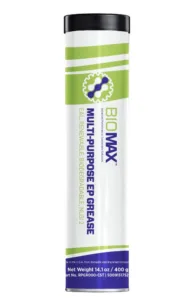
BioMax™ Multi-Purpose EP Grease covers general grease points across deck machinery and cargo handling equipment, delivering extreme pressure protection for slew bearings, sheaves, and pins. It meets EAL criteria for biodegradability, aquatic toxicity, and bioaccumulation, so the grease that does reach the water is not a conventional petroleum discharge. For wire rope and heavily exposed components, our EAL specialists can recommend the right grease and application interval for your equipment.
Recommended Products for Deck Machinery & Cargo Handling Systems
Improve Your Deck Machinery and Cargo Handling Reliability
Let our EAL specialists recommend the right products and reliability solutions for your deck machinery and cargo handling systems. Contact us today.