
Propulsion & Maneuvering

Propulsion and Maneuvering Lubricants Protect Stern Tubes, Thrusters, and Steering Systems at the Oil-to-Sea Interface While Meeting Environmental Requirements.
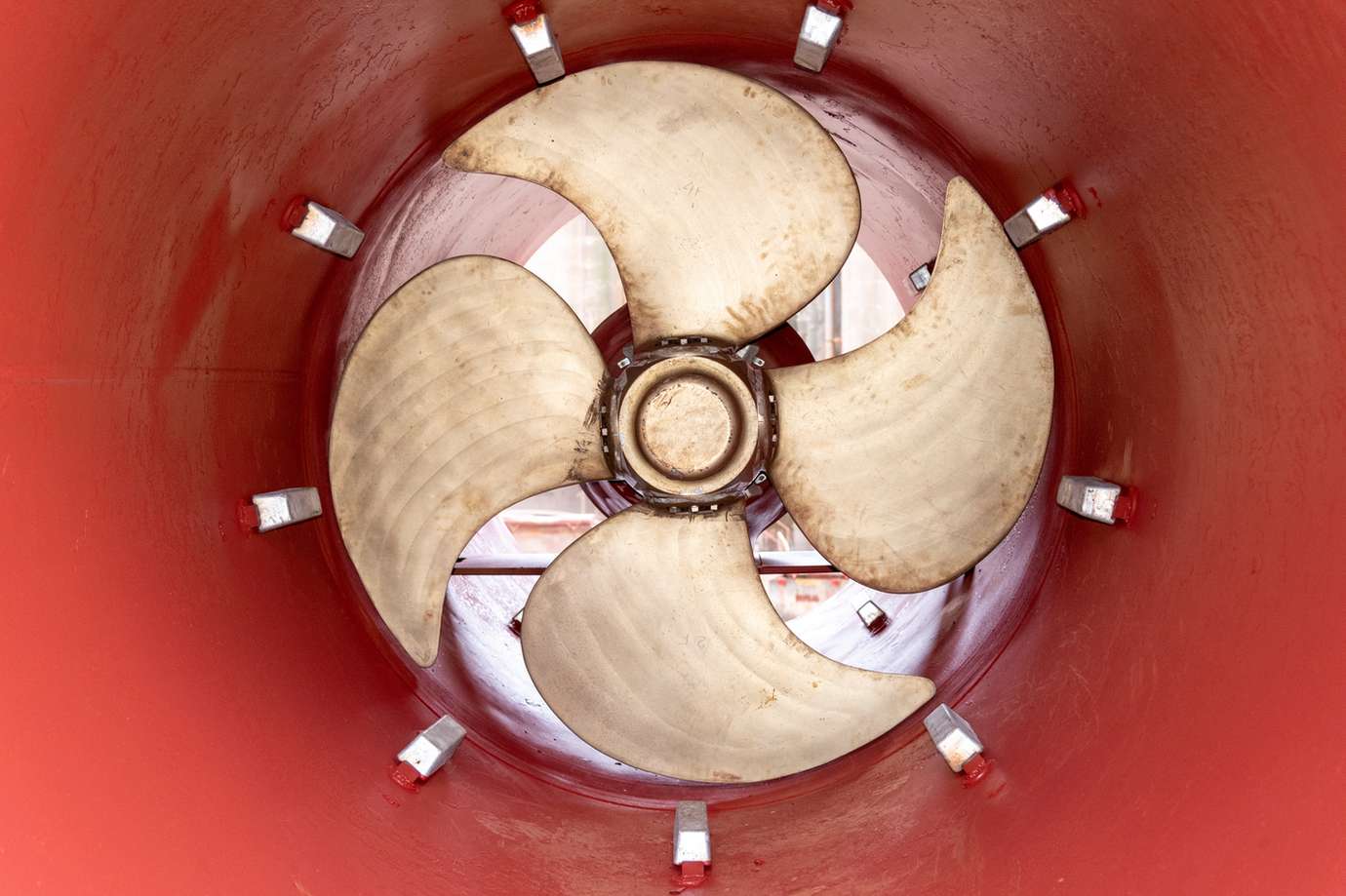
Lubricant requirements vary considerably based on vessel type, propulsion arrangement, shaft seal design, operating profile, and the waters a vessel trades in. Stern tubes, controllable-pitch propellers, azimuth and tunnel thrusters, reduction gears, steering gear, and stabilizers each demand specific lubricant properties, and most of them sit directly at an oil-to-sea interface where U.S. EPA VGP/VIDA requirements call for environmentally acceptable lubricants (EALs). It is imperative that you use a high-performance EAL matched to the system design, the seal manufacturer’s requirements, and the operating environment. Selecting the correct ISO viscosity grade is crucial. Check OEM specifications to ensure the lubricant’s viscosity meets your equipment’s requirements.
We can help with this by recommending lubrication reliability best practices, including the right stern tube oil, gear oil, hydraulic fluid, and grease, for most propulsion and maneuvering configurations. Our EALs are built on biodegradable hydrocarbon base oil technology that delivers chemical stability in the presence of water and drop-in compatibility with conventional mineral oils, so conversions happen without flushing or re-engineering. With more than 100 OEM approvals and over 30 years of formulation and application expertise, we help fleet operators protect their most critical propulsion assets while simplifying compliance at every port of call.
Qualities of High-Performance Propulsion and Maneuvering Lubricants
- Ready biodegradability, low aquatic toxicity, and non-bioaccumulative properties that meet EAL criteria at every oil-to-sea interface
- Exceptional hydrolytic stability to resist breakdown when seawater enters stern tubes, thruster housings, or propeller hubs
- High film strength to protect stern tube bearings, shaft seals, and gear teeth under continuous duty, shock loads, and frequent reversals
- Excellent compatibility with the elastomers used in stern tube and thruster shaft seals, helping prevent leaks that could result in a reportable discharge
- Outstanding oxidation stability for long service life in systems that are difficult and costly to drain outside of drydock
- Superior rust and corrosion protection for shafts, bearings, hubs, and valve bodies in a continuously wet, saltwater environment
- Drop-in compatibility with conventional mineral oils, allowing conversion without system flushing or component changes
- High viscosity index for stable performance from cold-water operation to sustained full-power running
- EP and anti-wear protection for reduction gears and thruster gear sets operating under heavy loads and rapid direction changes
Reliability Solutions
After selecting your EALs, the next step is to build a monitoring program around the propulsion train. Start by identifying every oil-to-sea interface on the vessel and documenting the lubricant in each one. Add routine oil analysis for stern tubes, thrusters, and controllable-pitch propeller hubs to trend water content, viscosity, wear metals, and additive health. Track stern tube oil consumption and inspect shaft seals on a set schedule so small leaks are caught before they become discharges. With these practices in place, you can extend service intervals, plan conversions around your drydock calendar, and keep the documentation inspectors and charterers request ready at every port.
Identify Suffering Points
Move Forward with Our Proven Solutions
Problem
The stern tube is the highest-risk oil-to-sea interface on most vessels. Shaft seals wear over time, fishing line and debris damage seal lips, and changes in draft shift the pressure balance between the oil and the surrounding seawater. The result is either oil weeping into the sea or seawater migrating into the stern tube. Oil loss is a reportable discharge under VGP/VIDA. Water ingress degrades many conventional EALs through hydrolysis, forming acids that attack white metal bearings and seal elastomers. Either way, the vessel faces a compliance event, an unplanned intervention, or both, often far from the nearest drydock.
Solution
BioMax™ Stern Tube EAL is formulated to resist hydrolysis, so it holds its protective film and chemical stability when seawater enters the system. It is EU Ecolabel certified, meets EAL criteria for biodegradability, aquatic toxicity, and bioaccumulation, and it drops into existing stern tubes without flushing. It protects bearings and seals under continuous duty, supports VGP/VIDA documentation, and is available in the ISO viscosity grades most commonly specified by stern tube seal manufacturers.
Problem
Azimuth thrusters, tunnel thrusters, and reduction gears carry heavy loads and undergo frequent direction changes. Controllable-pitch propeller hubs rely on hydraulic oil to move the blades precisely, with only hub seals separating the oil from seawater. Under these conditions, conventional EALs can lose film strength, allowing micropitting and scuffing in gear sets and erratic pitch response in hydraulic circuits. Because many of these units can only be serviced in drydock, a lubricant failure can force a costly unscheduled docking.
Solution
BioMax™ Gear EAL delivers high film strength and EP protection for thruster gear sets, reduction gears, and azimuth drives, maintaining a protective film through shock loads and reversals. It is EU Ecolabel certified, meets EAL criteria for biodegradability, aquatic toxicity, and bioaccumulation, resists breakdown when seawater enters the gear housing, and drops into existing systems without flushing. For controllable-pitch propeller hubs, oil distribution boxes, and thruster hydraulic circuits, our EAL specialists can recommend the right fluid for your system design and OEM requirements.
Problem
Steering gear compartments are warm and damp, rudder stocks and carrier bearings are exposed to seawater, and fin stabilizers operate partly outside the hull. Hydraulic rams cycle constantly under load reversals, while rudder bearings and stabilizer pins see grease washout every time the vessel is underway. Conventional greases wash out into the water, leaving pins and bearings unprotected and creating a discharge at the same time. The combination leads to corrosion, fretting, and the slow loss of steering precision that eventually requires major repair.
Solution
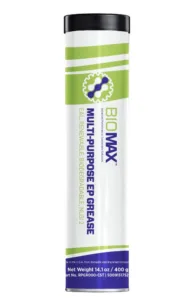
BioMax™ Hydraulic EAL delivers consistent film strength and corrosion protection in steering gear rams and stabilizer actuators, holding up through constant load reversals in warm, damp compartments. For rudder bearings, carriers, stabilizer pins, and general grease points throughout the steering and stabilizer systems, BioMax™ Multi-Purpose EP Grease resists washout and provides EP protection under heavy load. Both products are EU Ecolabel certified, meet EAL criteria for biodegradability, aquatic toxicity, and bioaccumulation.
Recommended Products for Propulsion & Maneuvering
Improve Your Propulsion and Maneuvering Reliability
Let our EAL specialists recommend the right products and reliability solutions for your propulsion and maneuvering systems. Contact us today.